
Product Description
SHN Motors
1.Features
1). High efficiency
2). Long operating life
3). Low noise
4). Good temperature rise
5). Good balance
6). The most available design for the optimized running.
2.Related Specifications
1) 42mm series
| Model | DMW421 | DMW422 | DMW423 | |
| Voltage | V | 24 | ||
| No load speed | rpm | 5000 | 5000 | 5000 |
| Rated torque | Nm | 0.063 | 0.094 | 0.125 |
| Rated Speed | rpm | 4000 | 4000 | 4000 |
| Rated Current | A | 1.7 | 2.5 | 3.5 |
| Torque(max) | Nm | 0.19 | 0.27 | 0.38 |
| Back-EMF constant | V/Krpm | 3.13 | 3.13 | 3.15 |
| Torque Constant | Nm/A | 0.039 | 0.04 | 0.04 |
| Resistance | ohm | 1.5 | 0.53 | 0.74 |
| Weight | Kg | 0.3 | 0.4 | 0.5 |
| Length | mm | 41 | 51 | 6 |
2) 70mmSeries
| Model | Rated Voltage | No load speed |
Rated torque | Rated Speed | Rated Current |
Rated power |
L |
| VDC | RPM | Nm | rpm | A | W | mm | |
| DMW701 | 48 | 3500 | 0.5 | 3000 | 4.3 | 157 | 86 |
| DMW702 | 48 | 3500 | 1 | 3000 | 8.7 | 314 | 116 |
| DMW703 | 48 | 3500 | 1.5 | 3000 | 12.9 | 471 | 136 |
3) 80mmSeries
| Model | DMW801 | DMW802 | DMW803 | |
| Voltage | V | 24 | ||
| No load speed | rpm | 4200 | 4200 | 4200 |
| Rated torque | Nm | 0.25 | 0.5 | 0.75 |
| Rated Speed | rpm | 3000 | 3000 | 3000 |
| Rated Current | A | 5.2 | 10.5 | 15 |
| Rated power | W | 79 | 157 | 236 |
| Back-EMF constant | V/Krpm | 9 | 9.2 | 9.5 |
| Torque Constant | Nm/A | 0.06 | 0.052 | 0.05 |
| Resistance | ohm | 0.5 | 0.43 | 0.35 |
| Weight | Kg | 1.6 | 2.2 | 3 |
| Length | mm | 75 | 95 | 115 |
4) 86mmSeries
| Model | DMW861 | DMW862 | DMW863 | |
| Voltage | V | 48 | ||
| No load speed | rpm | 3500 | 3500 | 3400 |
| Rated torque | Nm | 1.0 | 1.8 | 2.5 |
| Rated Speed | rpm | 3000 | 3000 | 3000 |
| Rated Current | A | 8.6 | 14.8 | 20 |
| Torque(max) | Nm | 3.0 | 5.4 | 7.5 |
| Back-EMF constant | V/Krpm | 9.8 | 9.8 | 10 |
| Torque Constant | Nm/A | 0.13 | 0.13 | 0.14 |
| Resistance | ohm | 0.32 | 0.15 | 0.1 |
| Weight | Kg | 2.2 | 3.2 | 4.2 |
| Length | mm | 80 | 105 | 130 |
5) 60mmSeries
| Model | DMW601 | DMW602 | DMW603 | |
| Voltage | V | 36 | ||
| No load speed | rpm | 4100 | 4100 | 4100 |
| Rated torque | Nm | 0.25 | 0.5 | 0.75 |
| Rated Speed | rpm | 3000 | 3000 | 3000 |
| Rated Current | A | 3 | 6 | 9 |
| Torque(max) | Nm | 0.75 | 1.5 | 2 |
| Back-EMF constant | V/Krpm | 6.2 | 6.5 | 6.5 |
| Torque Constant | Nm/A | 0.043 | 0.045 | 0.041 |
| Resistance | ohm | 0.59 | 0.26 | 0.2 |
| Weight | Kg | 0.9 | 1.2 | 1.6 |
| Length | mm | 78 | 99 | 120 |
6) 57mm Series
| Model | DMW571 | DMW572 | DMW573 | DMW574 | ||
| Voltage | V | 36 | ||||
| No load speed | rpm | 5200 | 5200 | 5300 | 5400 | |
| Rated torque | Nm | 0.11 | 0.22 | 0.32 | 0.42 | |
| Rated Speed | rpm | 4000 | 4000 | 4000 | 4000 | |
| Rated Current | A | 1.8 | 3.2 | 4.7 | 6.5 | |
| Torque(max) | Nm | 0.3 | 0.5 | 0.8 | 1.2 | |
| Back-EMF constant | V/Krpm | 4.5 | 4.8 | 4.83 | 4.9 | |
| Torque Constant | Nm/A | 0.072 | 0.078 | 0.08 | 0.09 | |
| Resistance | ohm | 1.7 | 0.75 | 0.5 | 0.39 | |
| Weight | Kg | 0.45 | 0.8 | 1.1 | 1.4 | |
| Length | mm | 55 | 75 | 95 | 115 | |
7) 57 High Torque
| Model | DMW571 | DMW572 | DMW573 | DMW574 | |
| Voltage | V | 36 | |||
| No load speed | rpm | 5200 | 5200 | 5200 | 5200 |
| Rated torque | Nm | 0.14 | 0.28 | 0.43 | 0.49 |
| Rated Speed | rpm | 4000 | 4000 | 4000 | 4000 |
| Rated Current | A | 2.2 | 4.5 | 6.8 | 7.9 |
| Torque(max) | Nm | 0.4 | 0.6 | 0.9 | 1.5 |
| Back-EMF constant | V/Krpm | 4.5 | 4.8 | 4.83 | 4.9 |
| Torque Constant | Nm/A | 0.072 | 0.078 | 0.08 | 0.09 |
| Resistance | ohm | 2 | 0.9 | 0.7 | 0.5 |
| Weight | Kg | 0.5 | 0.9 | 1.3 | 1.8 |
| Length | mm | 55 | 75 | 95 | 115 |
3.Outlines/Drawings
4.About US
5.Main Products
6.Package and Shipping
1.FedEX / DHL / UPS / TNT for samples,Door to door service;
2.By sea for batch goods;
3.Customs specifying freight forwarders or negotiable shipping methods;
4.Delivery Time:20-25 Days for samples;30-35 Days for batch goods;
5.Payment Terms:T/T,L/C at sight,D/P etc.
7.FAQ
Q1. When can I get the quotation?
We usually quote within 24 hours after we get your inquiry.
If you are urgent to get the price, please send the message on and or call us directly.
Q2. How can I get a sample to check your quality?
After price confirmed, you can requiry for samples to check quality.
If you need the samples, we will charge for the sample cost.
But the sample cost can be refundable when your quantity of first order is above the MOQ
Q3. Can you do OEM for us?
Yes, the product packing can be designed as you want.
Q4. How about MOQ?
1 pcs for carton box.
Q5. What is your main market?
Eastern Europe, Southeast Asia, South America.
Please feel free to contact us if you have any question.
/* March 10, 2571 17:59:20 */!function(){function s(e,r){var a,o={};try{e&&e.split(“,”).forEach(function(e,t){e&&(a=e.match(/(.*?):(.*)$/))&&1
| Application: | Universal, Industrial, Household Appliances, Car, Power Tools |
|---|---|
| Operating Speed: | Adjust Speed |
| Excitation Mode: | Excited |
| Function: | Control, Driving |
| Casing Protection: | Protection Type |
| Number of Poles: | Customized |
| Samples: |
US$ 100/Piece
1 Piece(Min.Order) | |
|---|
| Customization: |
Available
|
|
|---|
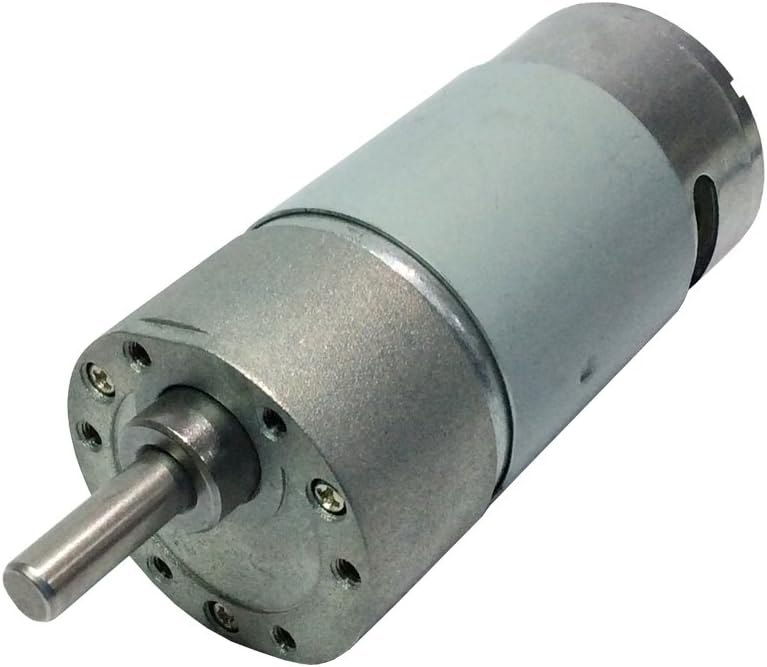
Are gear motors suitable for both heavy-duty industrial applications and smaller-scale uses?
Yes, gear motors are suitable for both heavy-duty industrial applications and smaller-scale uses. Their versatility and ability to provide torque multiplication make them valuable in a wide range of applications. Here’s a detailed explanation of why gear motors are suitable for both types of applications:
1. Heavy-Duty Industrial Applications:
Gear motors are commonly used in heavy-duty industrial applications due to their robustness and ability to handle high loads. Here are the reasons why they are suitable for such applications:
- Torque Multiplication: Gear motors are designed to provide high torque output, making them ideal for applications that require substantial force to move or operate heavy machinery, conveyors, or equipment.
- Load Handling: Industrial settings often involve heavy loads and demanding operating conditions. Gear motors, with their ability to handle high loads, are well-suited for tasks such as lifting, pulling, pushing, or driving heavy materials or equipment.
- Durability: Heavy-duty industrial applications require components that can withstand harsh environments, frequent use, and demanding operating conditions. Gear motors are typically constructed with durable materials and designed to withstand heavy vibrations, shock loads, and temperature variations.
- Speed Reduction: Many industrial processes require the reduction of motor speed to achieve the desired output speed. Gear motors offer precise speed reduction capabilities through gear ratios, allowing for optimal control and operation of machinery and equipment.
2. Smaller-Scale Uses:
While gear motors excel in heavy-duty industrial applications, they are also suitable for smaller-scale uses across various industries and applications. Here’s why gear motors are well-suited for smaller-scale uses:
- Compact Size: Gear motors are available in compact sizes, making them suitable for applications with limited space or small-scale machinery, devices, or appliances.
- Torque and Power Control: Even in smaller-scale applications, there may be a need for torque multiplication or precise power control. Gear motors can provide the necessary torque and power output for tasks such as precise positioning, controlling speed, or driving small loads.
- Versatility: Gear motors come in various configurations, such as parallel shaft, planetary, or worm gear designs, offering flexibility to match specific requirements. They can be adapted to different applications, including robotics, medical devices, automotive systems, home automation, and more.
- Efficiency: Gear motors are designed to be efficient, converting the electrical input power into mechanical output power with minimal losses. This efficiency is advantageous for smaller-scale applications where energy conservation and battery life are critical.
Overall, gear motors are highly versatile and suitable for both heavy-duty industrial applications and smaller-scale uses. Their ability to provide torque multiplication, handle high loads, offer precise speed control, and accommodate various sizes and configurations makes them a reliable choice in a wide range of applications. Whether it’s powering large industrial machinery or driving small-scale automation systems, gear motors provide the necessary torque, control, and durability required for efficient operation.
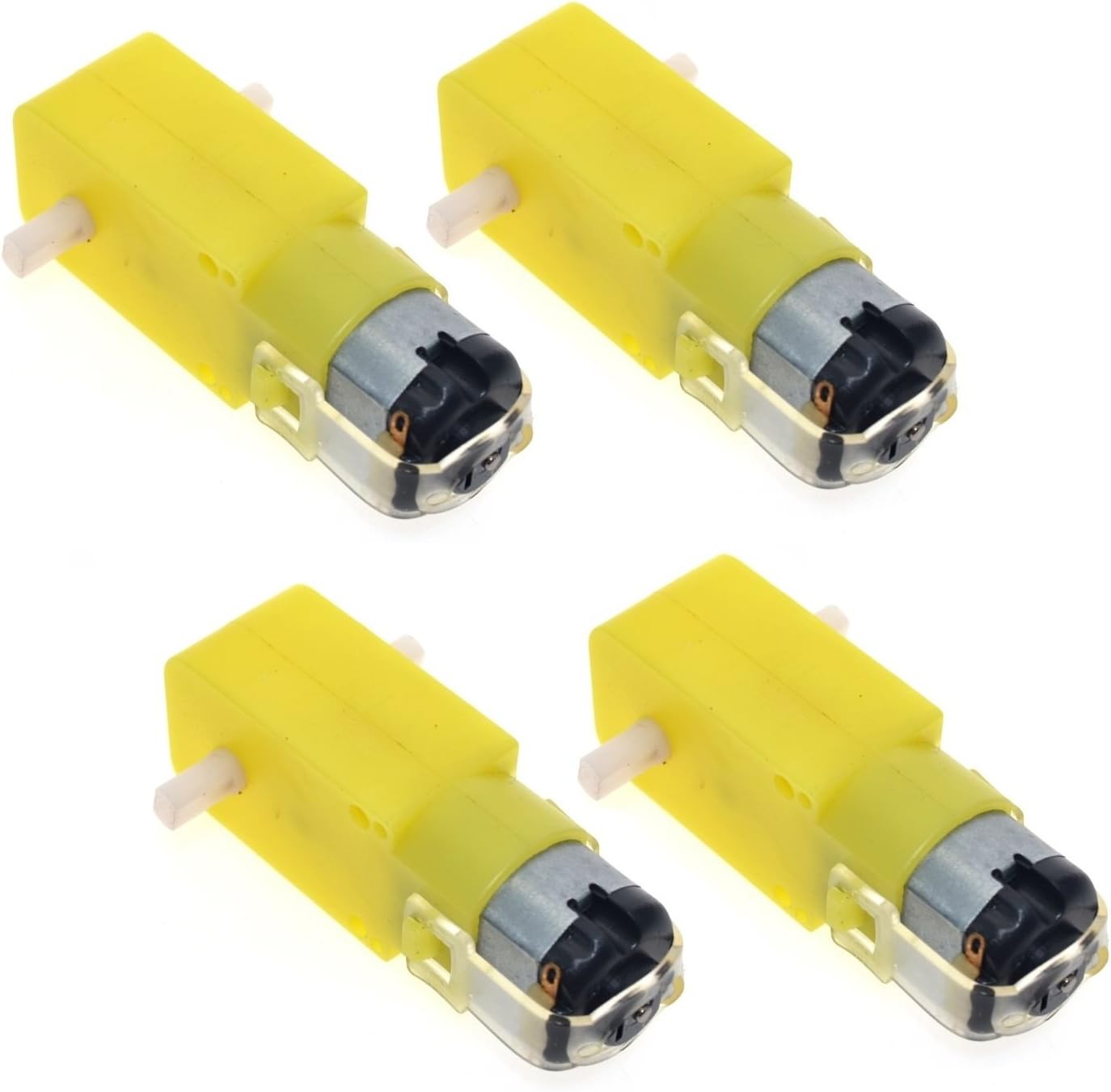
Are there environmental benefits to using gear motors in certain applications?
Yes, there are several environmental benefits associated with the use of gear motors in certain applications. Gear motors offer advantages that can contribute to increased energy efficiency, reduced resource consumption, and lower environmental impact. Here’s a detailed explanation of the environmental benefits of using gear motors:
1. Energy Efficiency:
Gear motors can improve energy efficiency in various ways:
- Torque Conversion: Gear reduction allows gear motors to deliver higher torque output while operating at lower speeds. This enables the motor to perform tasks that require high torque, such as lifting heavy loads or driving machinery with high inertia, more efficiently. By matching the motor’s power characteristics to the load requirements, gear motors can operate closer to their peak efficiency, minimizing energy waste.
- Controlled Speed: Gear reduction provides finer control over the motor’s rotational speed. This allows for more precise speed regulation, reducing the likelihood of energy overconsumption and optimizing energy usage.
2. Reduced Resource Consumption:
The use of gear motors can lead to reduced resource consumption and environmental impact:
- Smaller Motor Size: Gear reduction allows gear motors to deliver higher torque with smaller, more compact motors. This reduction in motor size translates to reduced material and resource requirements during manufacturing. It also enables the use of smaller and lighter equipment, which can contribute to energy savings during operation and transportation.
- Extended Motor Lifespan: The gear mechanism in gear motors helps reduce the load and stress on the motor itself. By distributing the load more evenly, gear motors can help extend the lifespan of the motor, reducing the need for frequent replacements and the associated resource consumption.
3. Noise Reduction:
Gear motors can contribute to a quieter and more environmentally friendly working environment:
- Noise Dampening: Gear reduction can help reduce the noise generated by the motor. The gear mechanism acts as a noise dampener, absorbing and dispersing vibrations and reducing overall noise emission. This is particularly beneficial in applications where noise reduction is important, such as residential areas, offices, or noise-sensitive environments.
4. Precision and Control:
Gear motors offer enhanced precision and control, which can lead to environmental benefits:
- Precise Positioning: Gear motors, especially stepper motors and servo motors, provide precise positioning capabilities. This accuracy allows for more efficient use of resources, minimizing waste and optimizing the performance of machinery or systems.
- Optimized Control: Gear motors enable precise control over speed, torque, and movement. This control allows for better optimization of processes, reducing energy consumption and minimizing unnecessary wear and tear on equipment.
In summary, using gear motors in certain applications can have significant environmental benefits. Gear motors offer improved energy efficiency, reduced resource consumption, noise reduction, and enhanced precision and control. These advantages contribute to lower energy consumption, reduced environmental impact, and a more sustainable approach to power transmission and control. When selecting motor systems for specific applications, considering the environmental benefits of gear motors can help promote energy efficiency and sustainability.
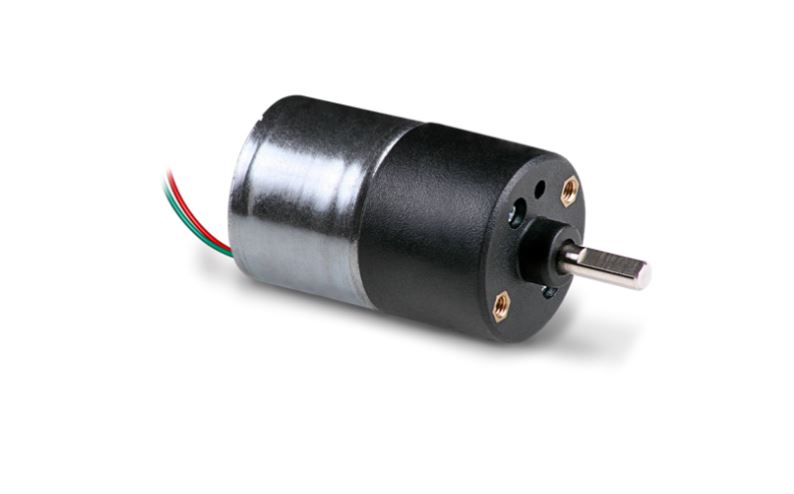
How does the gearing mechanism in a gear motor contribute to torque and speed control?
The gearing mechanism in a gear motor plays a crucial role in controlling torque and speed. By utilizing different gear ratios and configurations, the gearing mechanism allows for precise manipulation of these parameters. Here’s a detailed explanation of how the gearing mechanism contributes to torque and speed control in a gear motor:
The gearing mechanism consists of multiple gears with varying sizes, tooth configurations, and arrangements. Each gear in the system engages with another gear, creating a mechanical connection. When the motor rotates, it drives the rotation of the first gear, which then transfers the motion to subsequent gears, ultimately resulting in the output shaft’s rotation.
Torque Control:
The gearing mechanism in a gear motor enables torque control through the principle of mechanical advantage. The gear system utilizes gears with different numbers of teeth, known as gear ratio, to adjust the torque output. When a smaller gear (pinion) engages with a larger gear (gear), the pinion rotates faster than the gear but exerts more force or torque. This results in torque amplification, allowing the gear motor to deliver higher torque at the output shaft while reducing the rotational speed. Conversely, if a larger gear engages with a smaller gear, torque reduction occurs, resulting in higher rotational speed at the output shaft.
By selecting the appropriate gear ratio, the gearing mechanism effectively adjusts the torque output of the gear motor to match the requirements of the application. This torque control capability is essential in applications that demand high torque for heavy lifting or overcoming resistance, as well as applications that require lower torque but higher rotational speed.
Speed Control:
The gearing mechanism also contributes to speed control in a gear motor. The gear ratio determines the relationship between the rotational speed of the input shaft (driven by the motor) and the output shaft. When a gear motor has a higher gear ratio (more teeth on the driven gear compared to the driving gear), it reduces the output speed while increasing the torque. Conversely, a lower gear ratio increases the output speed while reducing the torque.
By choosing the appropriate gear ratio, the gearing mechanism allows for precise speed control in a gear motor. This is particularly useful in applications that require specific speed ranges or variations, such as conveyor systems, robotic movements, or machinery that needs to operate at different speeds for different tasks. The speed control capability of the gearing mechanism enables the gear motor to match the desired speed requirements of the application accurately.
In summary, the gearing mechanism in a gear motor contributes to torque and speed control by utilizing different gear ratios and configurations. It enables torque amplification or reduction, depending on the gear arrangement, allowing the gear motor to deliver the required torque output. Additionally, the gear ratio also determines the relationship between the rotational speed of the input and output shafts, providing precise speed control. These torque and speed control capabilities make gear motors versatile and suitable for a wide range of applications in various industries.


editor by CX 2024-02-10