
Product Description
Product Description:
DC motor is a rotating motor that can convert DC electric energy into mechanical energy (DC motor) or mechanical energy into DC electric energy (DC generator). It is a motor that can convert DC and mechanical energy into 1 another. When it runs as a motor, it is a direct current motor, which converts electrical energy into mechanical energy; when it runs as a generator, it is a direct current generator, which converts mechanical energy into electrical energy.
| Product Name | Electric DC Gear Motor 400V 550V 660V 750V DC Motor |
| Motor Type | DC Motor,ACMotor,Stepper Motor,Asynchronous Motor ,Synchronous Motor (Electric machinery) |
| Composition structure | The structure of DC motor should consist of 2 parts: stator and rotor. The static part of DC motor is called stator. The main function of stator is to generate magnetic field, which is composed of base, main magnetic pole, commutation pole, end cap, bearing and brush device. Running part is called rotor, whose main function is to generate electromagnetic torque and inductive electromotive force. It is the hub of energy conversion of DC motor. So it is also commonly called armature, which consists of rotor, armature core, armature winding, commutator and fan. |
| Model | Z Type |
| Seat number | Z315-Z1000 |
| power | 60~2800kW |
| Voltage | 220~1000V |
| Torque range | 1.5 ~180kNm |
| Protection level | IP23, IP44 |
| Cooling mode | IC06,IC17,IC37,IC81W |
| Operating speed | Constant Speed /Low Speed /Adjust Speed /High Speed Other |
| Main classification | DC Motor is a machine that converts mechanical energy into DC power. It is mainly used as DC motor for DC motor, electrolysis, electroplating, smelting, charging and excitation power supply of alternator. Although in places where DC power is needed, AC power rectifier is also used to convert AC into DC power, but from some aspects of performance, AC rectifier power supply can not completely replace DC generator. |
| Application | DC motors are widely used in tape recorders, video recorders, video discs, electric shavers, hair dryers, electronic watches, toys and so on. |
| Maintenance method | Professional motor maintenance center motor maintenance process: cleaning stator and rotor – replacing carbon brush or other parts – vacuum F pressure dipping paint – drying – Calibration balance. 1. Use environment should be always dry, motor surface should be kept clean, air intake should not be hindered by dust, fibers and other obstacles. 2. When the thermal protection of the motor continues to operate, it should be ascertained whether the fault comes from the motor or the overload or the setting value of the protective device is too low. After eliminating the fault, it can be put into operation. 3, ensure that the motor is well lubricated during operation. The general motor runs for about 5000 hours, that is to say, lubricating grease should be added or replaced. When bearing overheating or lubricating deterioration is found in operation, the hydraulic pressure should change lubricating grease in time. When replacing grease, the old grease should be removed, and the oil groove of bearing and bearing cover should be washed with gasoline. Then ZL-3 lithium grease should be filled with 1/2 (2 poles) and 2/3 (4 poles, 6 poles and 8 poles) of the cavity between the inner and outer rings of the bearing. 4. When the life of the bearing is over, the vibration and noise of the motor will increase obviously. When the radial clearance of the bearing reaches the following value, the bearing should be replaced. 5, when removing the motor, it is OK to remove the rotor from the shaft extension or the non extension end. If it is not necessary to unload the fan, it is more convenient to take out the rotor from the non-axle extension end. When pulling out the rotor from the stator, the stator winding or insulation should be prevented from being damaged. 6. When replacing the windings, the form, size, turns and gauges of the original windings must be recorded. When these data are lost, they should be obtained from the manufacturer and the original designed windings should be changed at will, which often deteriorates 1 or several performance of the motor or even makes it impossible to use them. |
/* January 22, 2571 19:08:37 */!function(){function s(e,r){var a,o={};try{e&&e.split(“,”).forEach(function(e,t){e&&(a=e.match(/(.*?):(.*)$/))&&1
| Application: | Universal, Industrial, Household Appliances, Car, Power Tools |
|---|---|
| Operating Speed: | High Speed |
| Excitation Mode: | Compound |
| Function: | Control, Driving |
| Casing Protection: | Closed Type |
| Number of Poles: | 8 |
| Customization: |
Available
|
|
|---|
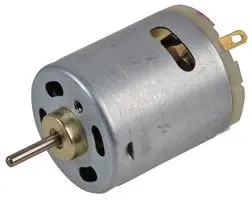
What are the key differences between brushed and brushless DC motors?
Brushed and brushless DC motors are two distinct types of motors that differ in their construction, operation, and performance characteristics. Here’s a detailed explanation of the key differences between brushed and brushless DC motors:
1. Construction:
Brushed DC Motors: Brushed DC motors have a relatively simple construction. They consist of a rotor with armature windings and a commutator, and a stator with permanent magnets or electromagnets. The commutator and brushes make physical contact to provide electrical connections to the armature windings.
Brushless DC Motors: Brushless DC motors have a more complex construction. They typically consist of a stationary stator with permanent magnets or electromagnets and a rotor with multiple coils or windings. The rotor does not have a commutator or brushes.
2. Commutation:
Brushed DC Motors: In brushed DC motors, the commutator and brushes are responsible for the commutation process. The brushes make contact with different segments of the commutator, reversing the direction of the current through the armature windings as the rotor rotates. This switching of the current direction generates the necessary torque for motor rotation.
Brushless DC Motors: Brushless DC motors use electronic commutation instead of mechanical commutation. The commutation process is managed by an external electronic controller or driver. The controller determines the timing and sequence of energizing the stator windings based on the rotor position, allowing for precise control of motor operation.
3. Efficiency:
Brushed DC Motors: Brushed DC motors tend to have lower efficiency compared to brushless DC motors. This is primarily due to the energy losses associated with the brushes and commutation process. The friction and wear between the brushes and commutator result in additional power dissipation and reduce overall motor efficiency.
Brushless DC Motors: Brushless DC motors are known for their higher efficiency. Since they eliminate the use of brushes and commutators, there are fewer energy losses and lower frictional losses. The electronic commutation system allows for precise control of the motor’s operation, maximizing efficiency and reducing power consumption.
4. Maintenance:
Brushed DC Motors: Brushed DC motors require regular maintenance due to the wear and tear of the brushes and commutator. The brushes need periodic replacement, and the commutator requires cleaning to maintain proper electrical contact. The maintenance requirements contribute to additional costs and downtime for brushed DC motors.
Brushless DC Motors: Brushless DC motors have a relatively maintenance-free operation. As they do not have brushes or commutators, there is no need for brush replacement or commutator cleaning. This results in reduced maintenance costs and increased reliability of brushless DC motors.
5. Speed Control:
Brushed DC Motors: Brushed DC motors offer simpler speed control options. The speed can be controlled by adjusting the applied voltage or by varying the resistance in the armature circuit. This allows for relatively straightforward speed regulation.
Brushless DC Motors: Brushless DC motors provide more advanced and precise speed control capabilities. The speed can be controlled through the electronic commutation system by adjusting the timing and sequence of the stator windings’ energization. This allows for precise control of the motor’s speed and acceleration.
These key differences between brushed and brushless DC motors make each type suitable for different applications depending on factors such as efficiency requirements, maintenance considerations, and control complexity.
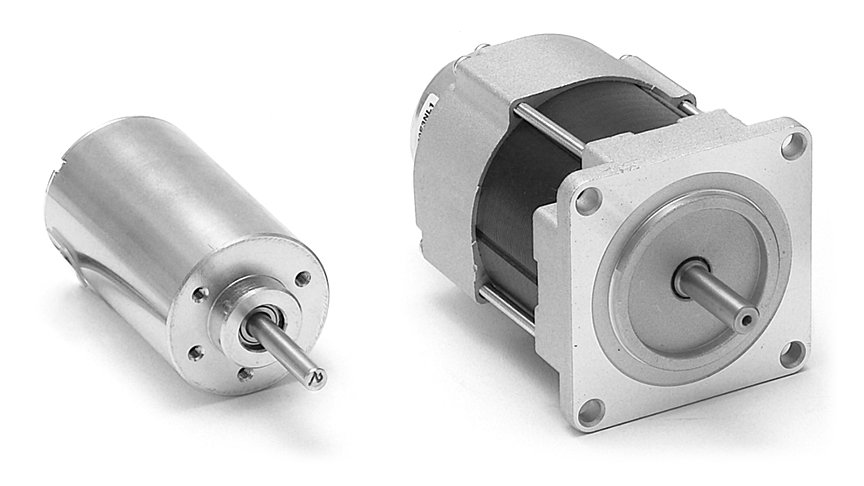
Are there specific types of DC motors designed for different industries or applications?
Yes, there are specific types of DC (Direct Current) motors that are designed and optimized for various industries and applications. DC motors offer a wide range of performance characteristics, allowing them to be tailored to specific requirements. Here’s a detailed explanation of the types of DC motors designed for different industries or applications:
1. Brushed DC Motors:
Brushed DC motors are commonly used in applications that require simple and cost-effective motor solutions. They are suitable for applications with lower efficiency requirements and where maintenance considerations are manageable. Some common industries and applications that use brushed DC motors include:
- Automotive: Power window mechanisms, windshield wipers, cooling fans, and seat adjustment systems.
- Consumer Electronics: Household appliances, toys, power tools, and personal care devices.
- Industrial Machinery: Conveyors, pumps, fans, and machine tools.
2. Brushless DC Motors:
Brushless DC motors are known for their higher efficiency, greater reliability, and precise control capabilities. They are widely used in industries and applications that demand higher performance and advanced control features. Some specific industries and applications that utilize brushless DC motors include:
- Automotive: Electric power steering systems, electric vehicles, hybrid vehicles, and HVAC systems.
- Aerospace and Defense: Actuators, robotics, unmanned aerial vehicles (UAVs), and missile systems.
- Medical and Laboratory Equipment: Centrifuges, pumps, robotics, and diagnostic devices.
- Industrial Automation: CNC machines, robotics, automated guided vehicles (AGVs), and precision motion control systems.
- Renewable Energy: Wind turbine generators, solar tracking systems, and energy storage systems.
3. High-Torque DC Motors:
High-torque DC motors are designed to provide substantial torque output at low speeds. They are commonly used in applications that require heavy lifting or high starting torque. Industries and applications that often utilize high-torque DC motors include:
- Material Handling: Cranes, hoists, winches, lifts, and elevators.
- Construction and Mining: Excavators, bulldozers, drilling rigs, and conveyor systems.
- Automotive: Electric vehicles, electric powertrains, and traction control systems.
- Marine and Shipbuilding: Thrusters, winches, and anchor handling systems.
4. Low-Voltage DC Motors:
Low-voltage DC motors are designed to operate at lower voltages, typically below 24 volts. They are commonly used in battery-powered applications and systems where safety or specific voltage requirements exist. Some industries and applications that utilize low-voltage DC motors include:
- Automotive: Automotive accessories, window actuators, and door locks.
- Robotics and Hobbyist Projects: DIY robots, RC vehicles, and model trains.
- Solar Power Systems: Solar tracking systems, solar panel actuators, and solar-powered water pumps.
- Home Automation: Automated blinds, curtains, and smart home devices.
These are just a few examples of the types of DC motors designed for different industries and applications. The versatility and adaptability of DC motors make them suitable for a wide range of uses, and manufacturers often offer customized motor solutions to meet specific requirements.
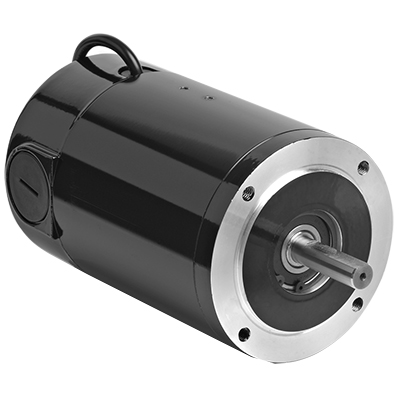
Are there innovations or emerging technologies in the field of DC motor design?
Yes, there have been several innovations and emerging technologies in the field of DC (Direct Current) motor design. These advancements aim to improve the performance, efficiency, reliability, and overall capabilities of DC motors. Here’s a detailed explanation of some notable innovations and emerging technologies in DC motor design:
1. Brushless DC Motors:
One significant advancement in DC motor design is the development and widespread adoption of brushless DC motors (BLDC motors). Unlike traditional DC motors that use brushes for commutation, BLDC motors employ electronic commutation through the use of permanent magnets and motor controller circuits. This eliminates the need for brushes, reducing maintenance requirements and improving overall motor efficiency and lifespan. BLDC motors offer higher torque density, smoother operation, better speed control, and improved energy efficiency compared to conventional brushed DC motors.
2. High-Efficiency Materials:
The use of high-efficiency materials in DC motor design has been an area of focus for improving motor performance. Advanced magnetic materials, such as neodymium magnets, have allowed for stronger and more compact motor designs. These materials increase the motor’s power density, enabling higher torque output and improved efficiency. Additionally, advancements in materials used for motor windings and core laminations have reduced electrical losses and improved overall motor efficiency.
3. Power Electronics and Motor Controllers:
Advancements in power electronics and motor control technologies have greatly influenced DC motor design. The development of sophisticated motor controllers and efficient power electronic devices enables precise control of motor speed, torque, and direction. These technologies have resulted in more efficient and reliable motor operation, reduced energy consumption, and enhanced motor performance in various applications.
4. Integrated Motor Systems:
Integrated motor systems combine the motor, motor controller, and associated electronics into a single unit. These integrated systems offer compact designs, simplified installation, and improved overall performance. By integrating the motor and controller, issues related to compatibility and communication between separate components are minimized. Integrated motor systems are commonly used in applications such as robotics, electric vehicles, and industrial automation.
5. IoT and Connectivity:
The integration of DC motors with Internet of Things (IoT) technologies and connectivity has opened up new possibilities for monitoring, control, and optimization of motor performance. By incorporating sensors, actuators, and connectivity features, DC motors can be remotely monitored, diagnosed, and controlled. This enables predictive maintenance, energy optimization, and real-time performance adjustments, leading to improved efficiency and reliability in various applications.
6. Advanced Motor Control Algorithms:
Advanced motor control algorithms, such as sensorless control and field-oriented control (FOC), have contributed to improved performance and efficiency of DC motors. Sensorless control techniques eliminate the need for additional sensors by leveraging motor current and voltage measurements to estimate rotor position. FOC algorithms optimize motor control by aligning the magnetic field with the rotor position, resulting in improved torque and efficiency, especially at low speeds.
These innovations and emerging technologies in DC motor design have revolutionized the capabilities and performance of DC motors. Brushless DC motors, high-efficiency materials, advanced motor control techniques, integrated motor systems, IoT connectivity, and advanced control algorithms have collectively contributed to more efficient, reliable, and versatile DC motor solutions across various industries and applications.


editor by CX 2024-05-14