
Product Description
Our Advantage
1.Quick response within 12 hours
2.Accept small order(MOQ:1pcs)
3.Custom service.Unusual packaging,standard packing or as customer required
4.Excellent after-sales service
5.Strict quality control system.100% factory testing and inspection personnel in accordance with international standards for the high-frequency sampling, to ensure the quality of products manufacture d
6.Accept ODM&OEM
| Reducer Model | Applicable Machine Model | Motor Install Hole | Housing Install Hole | Shaft Pinion Gear Diameter | Shaft Pinion Gear Height | Shaft Pinion No. Teeth | Weight/kg | ||
| A | B | C | H | Z | |||||
| GS11A05 | SDLG6205-6210Rotary | φ282 | 8-M14 | φ360 | 11-φ22 | φ194 | 91 | 25 | 144.47 |
| GS11A06 | Hyundai215vs Rotary | φ224 | 4-M16 | φ360 | 11-φ22 | φ194 | 88 | 25 | 154.42 |
| GS11A09 | Yuchai230 Rotary | φ224 | 4-M16 | φ360 | 10-φ22 | φ192 | 94 | 25 | 154.25 |
| GS11A08 | Yuchai21Ton Rotary | φ282 | 8-M14 | φ360 | 10-φ22 | φ192 | 94 | 13 | 145.38 |
| GS11A02 | Cheryl20Ton Rotary | φ282 | 8-M14 | φ360 | 10-φ22 | φ192 | 94 | 13 | 145.25 |
| GS11A10 | XCMGXE210 Rotary | φ224 | 4-M16 | φ360 | 10-φ22 | φ192 | 94 | 13 | 155.72 |
Product Parameters
| EXCAVATOR | MODELS | |||||
| CATERPILLA*R | E70 | E70B | E70B-7 | E70C | E120 | E140B |
| E200B | E240 | E240B | E300B | E305 | E311 | |
| E312 | E312B | E312C | E315 | E315B | E315C | |
| E325 | E325B | E330 | E330B | E330C | E340B | |
| E450 | ||||||
| PC SERIES | PC45 | PC50 | PC50-2 | PC50-5 | PC55 | PC90 |
| PC60 | PC60-2 | PC60-3 | PC60-5 | PC60-6 | PC60-7 | |
| PC100 | PC100-3 | PC100-5 | PC100-6 | PC150 | PC150-3 | |
| PC120 | PC120-3 | PC120-5 | PC120-6 | PC150-5 | ||
| PC200-1 | PC200-2 | PC200-3 | PC200-5 | PC200-6 | PC200-7 | |
| PC220-1 | PC220-3 | PC220-5 | PC220-7 | PC75 | PC80 | |
| PC300-3 | PC300-5 | PC300-6 | PC300-7 | |||
| PC400 | PC400-3 | PC400-6 | PC450 | PC450-6 | ||
| HITACHI– | EX60-1 | EX60-2 | EX60-3 | EX60-5 | EX60-6 | EX70 |
| EX100 | EX100-2 | EX80-5 | EX135 | EX160-1 | ||
| EX120 | EX120-2 | EX120-5 | EX120-6 | EX120-7 | ||
| EX200-1 | EX200-2 | EX200-3 | EX200-5 | EX200-6 | EX210-1 | |
| EX220-1 | EX220-2 | EX220-3 | EX220-5 | EX220-6 | EX270 | |
| EX300-1 | EX300-2 | EX300-3 | EX300-5 | EX330 | ||
| EX400 | EX400-3 | EX450 | EX450-5 | EX500-3 | ||
| ZX55 | ZX120 | ZX200 | ZX230 | |||
| UH04 | UH07-5 | UH07-7 | UH160 | KH120-2 | ||
| KATO | HD55 | HD100 | HD140 | HD140-3 | ||
| HD250 | HD250-1 | HD250-2 | HD250G | HD250-7 | ||
| HD300 | HD307 | HD400 | HD400-2 | HD400-5 | HD400-7 | |
| HD450 | HD450-2 | HD450-7 | HD450SE | HD400SEM | ||
| HD550 | HD550-2 | HD550-3 | HD550-5 | HD550-7 | ||
| HD700-2 | HD700-5 | HD700-7 | HD770-1 | HD770-2 | ||
| HD800-1 | HD800-2 | HD800-5 | HD800-7 | HD820 | ||
| HD880-1 | HD880-2 | HD880-5 | HD900-5 | HD900-7 | HD1880-1 | |
| HD1220 | HD1250 | HD1250-5 | HD1250-7 | HD120-7(6D102) | ||
| KOBELCO | SK09 | SK50 | SK55 | SK130 | SK135 | SK160 |
| SK60 | SK60-3 | SK60-6 | SK60-7 | SK70-6 | SK55 | |
| SK100-1 | SK100-3 | SK100-5 | SK120 | SK120-3 | SK120-5 | |
| SK200-1 | SK200-2 | SK200-3 | SK200-5 | SK200-6 | SK200-6E | |
| SK200-7 | SK210-6 | SK220-1 | SK220-3 | SK230 | SK230-6E | |
| SK230-8 | SK260 | SK300 | SK310 | SK310-3 | SK330 | |
| SK330-8 | SK450-1 | |||||
| SUMITOMO | SH30 | SH40 | SH60 | SH75 | SH100 | SH130 |
| SH120 | SH120A1 | SH120-3 | SH120-6 | SH120A3 | ||
| SH200 | SH200A1 | SH200A3 | SH220 | SH260 | SH265 | |
| SH280 | SH280DJ | SH280EJ | SH280F2 | SH280FG-2 | SH280FG | |
| SH300 | SH340 | SH340EJ | SH340F1 | SH340F2 | SH350 | |
| SH160 | SH160-2 | SH430 | SH430FJ | LS280 | SH915 | |
| HYUNDAI | R55 | R60 | R80-8 | R130 | R170 | R180 |
| R200 | R200-5 | R210 | R210-3 | R210-5 | ||
| R220 | R220-5 | R300 | R250 | R250-5 | ||
| R305-7 | R310 | R320-7 | R335-7 | |||
| DAEWOO | DH55 | DH60 | DH60-5 | DH200-5 | ||
| DH220-2 | DH220-3 | DH220-5 | DH225-7 | DH250-7 | DH220-7 | |
| DH258-7 | DH280 | DH300 | ||||
FAQ
1: When will ship my order ?
Once we get confirmation of payment, we will try the best to ship order within 24 hours
2: How long to prepared the goods?
We have many stock for each iterm. so dont woride .we have enought stock for u
3: Which shipment you can supply?
By sea, by air or by express (DHL, FEDEX ,TNT,UPS,EMS)
4.How long does it take to clients address ?
The normal delivery time is 4-5 days .depending 1 which country u are in
5.How can i know my order it already shipping ?
When the goods shipping , i will email u for tracking number for goods. if by sea or by air , i can offer bill of lading to u
6.If i was not satisfied with the products, can i return goods ?
Yes . we offer exchanged and repair serve in the warranty time . please /* March 10, 2571 17:59:20 */!function(){function s(e,r){var a,o={};try{e&&e.split(“,”).forEach(function(e,t){e&&(a=e.match(/(.*?):(.*)$/))&&1
| After-sales Service: | Online Support |
|---|---|
| Warranty: | 8 Months |
| Type: | Rotary Gearbox |
| Application: | Excavator |
| Certification: | CE |
| Condition: | New |
| Samples: |
US$ 55/Piece
1 Piece(Min.Order) | |
|---|
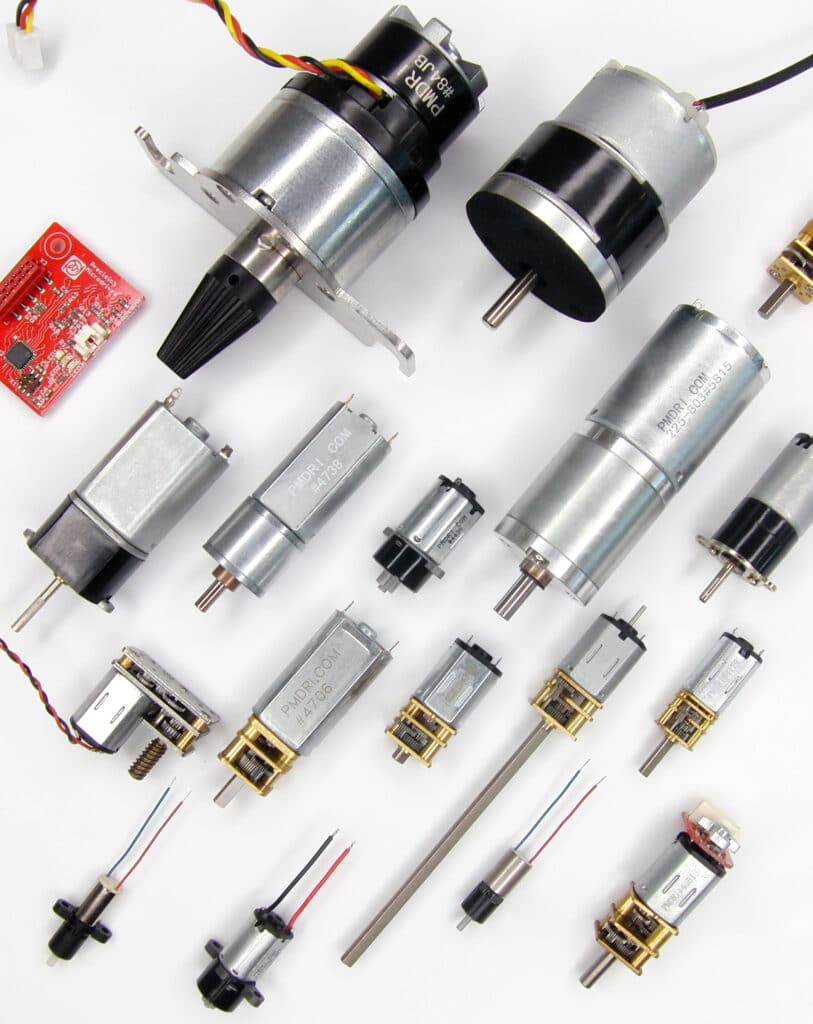
How is the efficiency of a gear motor measured, and what factors can affect it?
The efficiency of a gear motor is a measure of how effectively it converts electrical input power into mechanical output power. It indicates the motor’s ability to minimize losses and maximize its energy conversion efficiency. The efficiency of a gear motor is typically measured using specific methods, and several factors can influence it. Here’s a detailed explanation:
Measuring Efficiency:
The efficiency of a gear motor is commonly measured by comparing the mechanical output power (Pout) to the electrical input power (Pin). The formula to calculate efficiency is:
Efficiency = (Pout / Pin) * 100%
The mechanical output power can be determined by measuring the torque (T) produced by the motor and the rotational speed (ω) at which it operates. The formula for mechanical power is:
Pout = T * ω
The electrical input power can be measured by monitoring the current (I) and voltage (V) supplied to the motor. The formula for electrical power is:
Pin = V * I
By substituting these values into the efficiency formula, the efficiency of the gear motor can be calculated as a percentage.
Factors Affecting Efficiency:
Several factors can influence the efficiency of a gear motor. Here are some notable factors:
- Friction and Mechanical Losses: Friction between moving parts, such as gears and bearings, can result in mechanical losses and reduce the overall efficiency of the gear motor. Minimizing friction through proper lubrication, high-quality components, and efficient design can help improve efficiency.
- Gearing Efficiency: The design and quality of the gears used in the gear motor can impact its efficiency. Gear trains can introduce mechanical losses due to gear meshing, misalignment, or backlash. Using well-designed gears with proper tooth profiles and minimizing gear train losses can improve efficiency.
- Motor Type and Construction: Different types of motors (e.g., brushed DC, brushless DC, AC induction) have varying efficiency characteristics. Motor construction, such as the quality of magnetic materials, winding resistance, and rotor design, can also affect efficiency. Choosing motors with higher efficiency ratings can improve overall gear motor efficiency.
- Electrical Losses: Electrical losses, such as resistive losses in motor windings or in the motor drive circuitry, can reduce efficiency. Minimizing resistance, optimizing motor drive electronics, and using efficient control algorithms can help mitigate electrical losses.
- Load Conditions: The operating conditions and load characteristics placed on the gear motor can impact its efficiency. Heavy loads, high speeds, or frequent acceleration and deceleration can increase losses and reduce efficiency. Matching the gear motor’s specifications to the application requirements and optimizing load conditions can improve efficiency.
- Temperature: Elevated temperatures can significantly affect the efficiency of a gear motor. Excessive heat can increase resistive losses, reduce lubrication effectiveness, and affect the magnetic properties of motor components. Proper cooling and thermal management techniques are essential to maintain optimal efficiency.
By considering these factors and implementing measures to minimize losses and optimize performance, the efficiency of a gear motor can be enhanced. Manufacturers often provide efficiency specifications for gear motors, allowing users to select motors that best meet their efficiency requirements for specific applications.
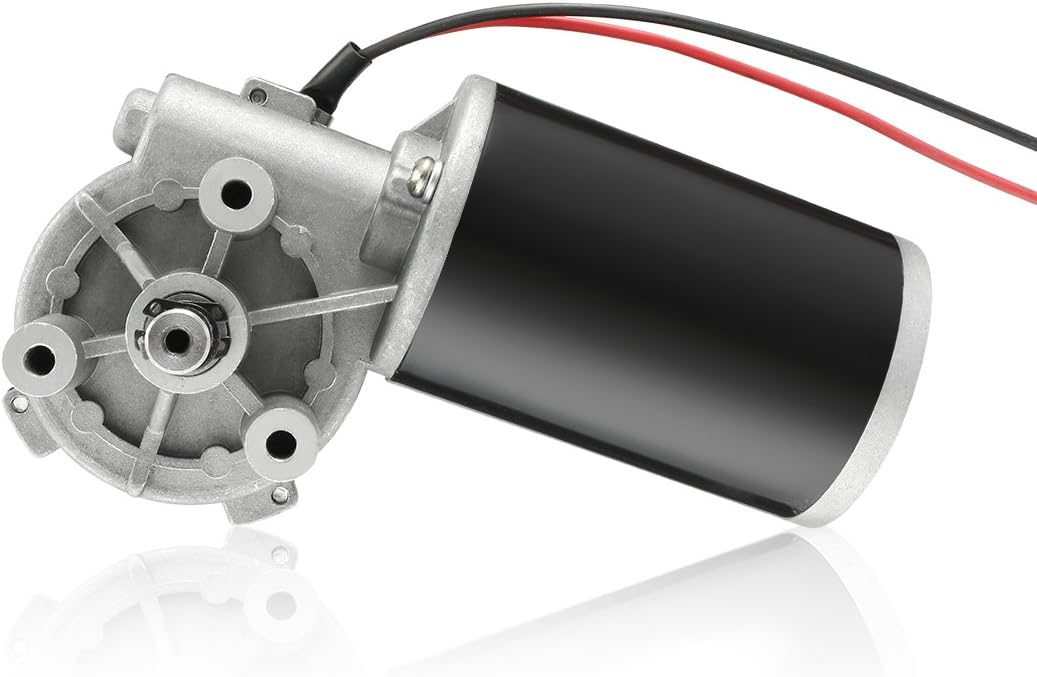
How do gear motors compare to other types of motors in terms of power and efficiency?
Gear motors can be compared to other types of motors in terms of power output and efficiency. The choice of motor type depends on the specific application requirements, including the desired power level, efficiency, speed range, torque characteristics, and control capabilities. Here’s a detailed explanation of how gear motors compare to other types of motors in terms of power and efficiency:
1. Gear Motors:
Gear motors combine a motor with a gear mechanism to deliver increased torque output and improved control. The gear reduction enables gear motors to provide higher torque while reducing the output speed. This makes gear motors suitable for applications that require high torque, precise positioning, and controlled movements. However, the gear reduction process introduces mechanical losses, which can slightly reduce the overall efficiency of the system compared to direct-drive motors. The efficiency of gear motors can vary depending on factors such as gear quality, lubrication, and maintenance.
2. Direct-Drive Motors:
Direct-drive motors, also known as gearless or integrated motors, do not use a gear mechanism. They provide a direct connection between the motor and the load, eliminating the need for gear reduction. Direct-drive motors offer advantages such as high efficiency, low maintenance, and compact design. Since there are no gears involved, direct-drive motors experience fewer mechanical losses and can achieve higher overall efficiency compared to gear motors. However, direct-drive motors may have limitations in terms of torque output and speed range, and they may require more complex control systems to achieve precise positioning.
3. Stepper Motors:
Stepper motors are a type of gear motor that excels in precise positioning applications. They operate by converting electrical pulses into incremental steps of movement. Stepper motors offer excellent positional accuracy and control. They are capable of precise positioning and can hold a position without power. Stepper motors have relatively high torque at low speeds, making them suitable for applications that require precise control and positioning, such as robotics, 3D printers, and CNC machines. However, stepper motors may have lower overall efficiency compared to direct-drive motors due to the additional power required to overcome the detents between steps.
4. Servo Motors:
Servo motors are another type of gear motor known for their high torque, high speed, and excellent positional accuracy. Servo motors combine a motor, a feedback device (such as an encoder), and a closed-loop control system. They offer precise control over position, speed, and torque. Servo motors are widely used in applications that require accurate and responsive positioning, such as industrial automation, robotics, and camera pan-tilt systems. Servo motors can achieve high efficiency when properly optimized and controlled but may have slightly lower efficiency compared to direct-drive motors due to the additional complexity of the control system.
5. Efficiency Considerations:
When comparing power and efficiency among different motor types, it’s important to consider the specific requirements and operating conditions of the application. Factors such as load characteristics, speed range, duty cycle, and control requirements influence the overall efficiency of the motor system. While direct-drive motors generally offer higher efficiency due to the absence of mechanical losses from gears, gear motors can deliver higher torque output and enhanced control capabilities. The efficiency of gear motors can be optimized through proper gear selection, lubrication, and maintenance practices.
In summary, gear motors offer increased torque and improved control compared to direct-drive motors. However, gear reduction introduces mechanical losses that can slightly impact the overall efficiency of the system. Direct-drive motors, on the other hand, provide high efficiency and compact design but may have limitations in terms of torque and speed range. Stepper motors and servo motors, both types of gear motors, excel in precise positioning applications but may have slightly lower efficiency compared to direct-drive motors. The selection of the most suitable motor type depends on the specific requirements of the application, balancing power, efficiency, speed range, and control capabilities.
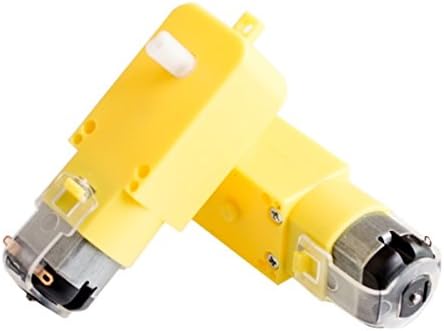
In which industries are gear motors commonly used, and what are their primary applications?
Gear motors find widespread use in various industries due to their versatility, reliability, and ability to provide controlled mechanical power. They are employed in a wide range of applications that require precise power transmission and speed control. Here’s a detailed explanation of the industries where gear motors are commonly used and their primary applications:
1. Robotics and Automation:
Gear motors play a crucial role in robotics and automation industries. They are used in robotic arms, conveyor systems, automated assembly lines, and other robotic applications. Gear motors provide the required torque, speed control, and directional control necessary for the precise movements and operations of robots. They enable accurate positioning, gripping, and manipulation tasks in industrial and commercial automation settings.
2. Automotive Industry:
The automotive industry extensively utilizes gear motors in various applications. They are used in power windows, windshield wipers, HVAC systems, seat adjustment mechanisms, and many other automotive components. Gear motors provide the necessary torque and speed control for these systems, enabling smooth and efficient operation. Additionally, gear motors are also utilized in electric and hybrid vehicles for powertrain applications.
3. Manufacturing and Machinery:
Gear motors find wide application in the manufacturing and machinery sector. They are used in conveyor belts, packaging equipment, material handling systems, industrial mixers, and other machinery. Gear motors provide reliable power transmission, precise speed control, and torque amplification, ensuring efficient and synchronized operation of various manufacturing processes and machinery.
4. HVAC and Building Systems:
In heating, ventilation, and air conditioning (HVAC) systems, gear motors are commonly used in damper actuators, control valves, and fan systems. They enable precise control of airflow, temperature, and pressure, contributing to energy efficiency and comfort in buildings. Gear motors also find applications in automatic doors, blinds, and gate systems, providing reliable and controlled movement.
5. Marine and Offshore Industry:
Gear motors are extensively used in the marine and offshore industry, particularly in propulsion systems, winches, and cranes. They provide the required torque and speed control for various marine operations, including steering, anchor handling, cargo handling, and positioning equipment. Gear motors in marine applications are designed to withstand harsh environments and provide reliable performance under demanding conditions.
6. Renewable Energy Systems:
The renewable energy sector, including wind turbines and solar tracking systems, relies on gear motors for efficient power generation. Gear motors are used to adjust the rotor angle and position in wind turbines, optimizing their performance in different wind conditions. In solar tracking systems, gear motors enable the precise movement and alignment of solar panels to maximize sunlight capture and energy production.
7. Medical and Healthcare:
Gear motors have applications in the medical and healthcare industry, including in medical equipment, laboratory devices, and patient care systems. They are used in devices such as infusion pumps, ventilators, surgical robots, and diagnostic equipment. Gear motors provide precise control and smooth operation, ensuring accurate dosing, controlled movements, and reliable functionality in critical medical applications.
These are just a few examples of the industries where gear motors are commonly used. Their versatility and ability to provide controlled mechanical power make them indispensable in numerous applications requiring torque amplification, speed control, directional control, and load distribution. The reliable and efficient power transmission offered by gear motors contributes to the smooth and precise operation of machinery and systems in various industries.


editor by CX 2024-02-11