
Product Description
Product Description
Detailed Photos
Product Parameters
| Product Model | Nominal Voltage (VDC) |
Voltage Range (VDC) |
Rated Power (kW) |
Peak Power (kW) |
Rated Speed (rpm) |
Peak Speed (rpm) |
Rated Current (A) |
Peak Current (A) |
Max Torque (N.m) |
Ratio | Weight (kg) |
Cooling Mode | System Specification | Applicable Models |
| P6-65-HP | 60 | 45~75 | 3 | 6 | 3000 | 6800 | 65 | 300 | 65 | 10.1 | 28.5+2.5 | Natural Cooling | AC asynchronous system | 3 wheels vehicle,4 wheels motorcircle |
| P8-60-HP | 60 | 45~75 | 4 | 8 | 3000 | 6500 | 80 | 300 | 60 | 7.96 | 32+2.5 | Natural Cooling | AC asynchronous system | Low speed small driverless car |
| P20-65-HP | 96 | 72~120 | 10 | 20 | 4500 | 7500 | 130 | 300 | 65 | 8.34 | 35+7 | Natural Cooling | Permanent magnet synchronous system | Double 80 model |
| P30-90-HP | 144 | 108~180 | 15 | 30 | 4500 | 8700 | 130 | 320 | 95 | 8.34 | 35+7 | Natural Cooling | Permanent magnet synchronous system | Double 100 model |
| P45-120-HP | 320 | 220~450 | 20 | 45 | 4050 | 12000 | 80 | 190 | 120 | 10.5 | 48 | Water Cooling | Permanent magnet synchronous system | A00 class model |
| P55-140-HP | 336 | 220~450 | 22 | 55 | 4050 | 11000 | 90 | 190 | 140 | 10.5 | 50 | Water Cooling | Permanent magnet synchronous system | A0 class SUV |
| P70-165-HP | 336 | 220~450 | 30 | 70 | 4050 | 12000 | 115 | 255 | 165 | 10.5 | 50 | Water Cooling | Permanent magnet synchronous system | A0 class model Compact SUV |
| P100-220-HP(P) | 336 | 220~450 | 50 | 100 | 5000 | 13500 | 160 | 355 | 220 | 10.6 | 69 | Water Cooling | Permanent magnet synchronous system | A class model midsize SUV |
| P120-260-HP(P) | 336 | 220~450 | 60 | 120 | 5000 | 14000 | 200 | 460 | 260 | 10.6 | 70 | Water Cooling | Permanent magnet synchronous system | B class model large SUV |
Company Profile
Xihu (West Lake) Dis. Power Co.,Ltd. was founded in March,2571. It is a national Hi-Tech enterprise which specialized in providing energy-saving system.
Xihu (West Lake) Dis. Power Co., Ltd. consists of Xihu (West Lake) Dis. Power (ZheJiang ) Co., Ltd., Xihu (West Lake) Dis. Power (ZheJiang ) Co., Ltd., and Xihu (West Lake) Dis. Power (HangZhou) Co., Ltd. The headquarters is located at No. 26, Yingbin Avenue, National High-tech Zone, HangZhou, ZheJiang . The company can annually produce 250,000 electric vehicle powertrains, 300,000 electric vehicle motors, and 300,000 controllers.
Xihu (West Lake) Dis. Power has a high-quality technical R&D team of more than 120 people, with high-tech talents selected from the National Ten Thousand Talents Program, National Science and Technology Innovation and Entrepreneurship Talents, ZheJiang Science and Technology Entrepreneurship Leaders, Xihu (West Lake) Dis.ang Top Talents, and Xihu (West Lake) Dis.ang Scarce Talents. And independently developed electric vehicle powertrains, permanent magnet synchronous motors, AC asynchronous motors, permanent magnet synchronous controllers, AC asynchronous controllers and other products, serving electric passenger cars, electric logistics vehicles, electric buses, electric minibuses, New energy vehicle industries such as electric forklifts, electric engineering vehicles, and electric logistics vehicles. Xihu (West Lake) Dis. Power has mastered the core technologies of electric vehicle motors, controllers, reducers and powertrains, established the ZheJiang Engineering Technology R&D Center, and listed the ZheJiang Provincial Key Laboratory, with more than 120 sets of experimental benches and experimental equipment. Design and development, performance verification, durability test, IP67 waterproof and dustproof test, mechanical vibration test, mechanical shock test, and full working conditions NVH experiment, high and low temperature cyclic impact experiment, high and low temperature loading operation experiment and other product design verification and testing capabilities.
Xihu (West Lake) Dis. Power has built an electric vehicle powertrain automated assembly workshop, an electric motor automated assembly workshop, a controller CHINAMFG automatic placement workshop, an automated winding and embedding workshop, a casting processing center, an online spraying center, a complete machine performance digital inspection center, and Created a zero-defect quality assurance system to provide customers with perfect products and high-quality services. Xihu (West Lake) Dis. Power has obtained the automotive industry IATF16949:2016 quality management system certification, ISO9001:2015 quality management system certification, ISO14001:2015 environmental management system certification, ISO45001:2018 occupational health and safety management system certification, EU product safety CE certification, and U.S. product safety Performance UL certification, Korean electrical product safety KC certification, etc.
At present, the company has formed a research and development platform suitable for 6 categories of electric drive products such as pure electric passenger vehicles, pure electric commercial vehicles, pure electric special vehicles, extended-range hybrids, electric vehicles, and intelligent unmanned vehicles, forming a 1.2kw- 500kw power series products, supporting the development of more than 260 varieties of electric power system products for domestic and foreign vehicle companies and power system integrators. In terms of application in the electric vehicle market, the company’s products are used in electric vehicles such as FIAT, Xpeng, BAIC, Geely, BYD, Changan, Xihu (West Lake) Dis.feng, Xihu (West Lake) Dis., Haima, Zotye, GM, King Long, Xihu (West Lake) Dis., Foton, Great Wall, Weimar and other electric vehicles. It has been successfully applied and has been among the best in market share for many years. The company’s products sell well all over the country, and are exported to Europe, America, India, the Middle East, Africa and Southeast Asia.
Xihu (West Lake) Dis. Power, Innovation Technology!
FAQ
Q1. What are your terms of packing?
A: We pack our goods in neutral wooden boxes and paper cartons. If you have a legally registered brand, we can pack the goods in your branded boxes after getting your authorization letters.
Q2. What are your terms of payment?
A: T/T 30% as deposit, and 70% before delivery. We’ll send you the photos of the products and packages before you pay the balance. For big orders, we accept L/C.
Q3. What are your terms of delivery?
A: EXW, FOB.
Q4. How about your delivery time?
A: It will take 15 to 45days after receiving your advance payment. The specific delivery time depends on the items and the quantity of your order.
Q5. Can you produce according to the samples?
A: Yes, we can produce your samples or technical drawings. We can produce the molds and fixtures in-house.
Q6. Do you test all your goods before delivery?
A: Yes, we have a 100% test before delivery, if necessary we can send an inspection report before delivery.
Q7. How long is your warranty period?
A: In general,2 years after deliveried
Q8. Do you have any certificates?
A: CE,SGS,ISO9001,IATF16949,UL,Etc
Q9. Do you have the import & export license?
We are official import & export licensed manufacturer.
Our Advantages
XIHU (WEST LAKE) DIS. POWER master 3 core technologies of electric vehicle power assembly: motor, electric control and reducer; and XIHU (WEST LAKE) DIS. POWER has a global vision, adopts international advanced management concept, integrates R & D, manufacturing, sales and service, and provides customers with low-speed, high torque, high integration, high-speed and low noise, strong overload caP6-P8city, high protection level, system maintenance free The shape is exquisite and beautiful, the protection function is complete, the vector control and various P6-P8rameters can be adjusted according to the customer requirements.
/* March 10, 2571 17:59:20 */!function(){function s(e,r){var a,o={};try{e&&e.split(“,”).forEach(function(e,t){e&&(a=e.match(/(.*?):(.*)$/))&&1
| Application: | Industrial, Power Tools, Car |
|---|---|
| Operating Speed: | High Speed |
| Operation Mode: | Electric Motor |
| Magnetic Structure: | Permanent Magnet |
| Function: | Driving, Control |
| Structure: | Rotating Pole Type (Armature Fixed) |
| Samples: |
US$ 2350/Piece
1 Piece(Min.Order) | |
|---|
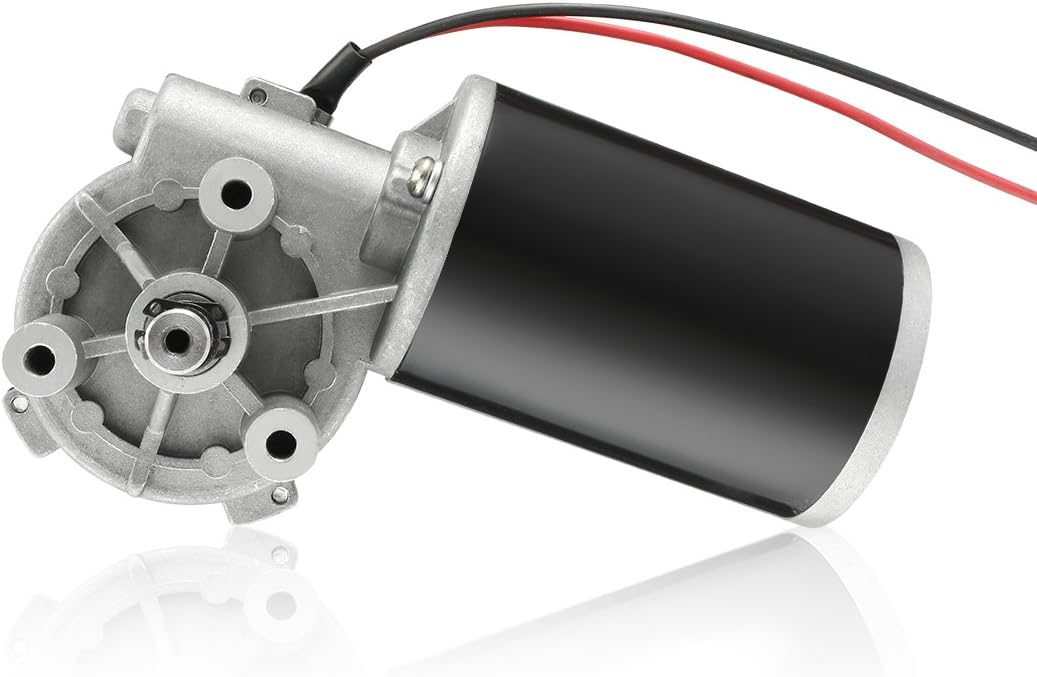
Are there innovations or emerging technologies in the field of gear motor design?
Yes, there are several innovations and emerging technologies in the field of gear motor design. These advancements aim to improve the performance, efficiency, compactness, and reliability of gear motors. Here are some notable innovations and emerging technologies in gear motor design:
1. Miniaturization and Compact Design:
Advancements in manufacturing techniques and materials have enabled the miniaturization of gear motors without compromising their performance. Gear motors with compact designs are highly sought after in applications where space is limited, such as robotics, medical devices, and consumer electronics. Innovative approaches like micro-gear motors and integrated motor-gear units are being developed to achieve smaller form factors while maintaining high torque and efficiency.
2. High-Efficiency Gearing:
New gear designs focus on improving efficiency by reducing friction and mechanical losses. Advanced gear manufacturing techniques, such as precision machining and 3D printing, allow for the creation of intricate gear tooth profiles that optimize power transmission and minimize losses. Additionally, the use of high-performance materials, coatings, and lubricants helps reduce friction and wear, improving overall gear motor efficiency.
3. Magnetic Gearing:
Magnetic gearing is an emerging technology that replaces traditional mechanical gears with magnetic fields to transmit torque. It utilizes the interaction of permanent magnets to transfer power, eliminating the need for physical gear meshing. Magnetic gearing offers advantages such as high efficiency, low noise, compactness, and maintenance-free operation. While still being developed and refined, magnetic gearing holds promise for various applications, including gear motors.
4. Integrated Electronics and Controls:
Gear motor designs are incorporating integrated electronics and controls to enhance performance and functionality. Integrated motor drives and controllers simplify system integration, reduce wiring complexity, and allow for advanced control features. These integrated solutions offer precise speed and torque control, intelligent feedback mechanisms, and connectivity options for seamless integration into automation systems and IoT (Internet of Things) platforms.
5. Smart and Condition Monitoring Capabilities:
New gear motor designs incorporate smart features and condition monitoring capabilities to enable predictive maintenance and optimize performance. Integrated sensors and monitoring systems can detect abnormal operating conditions, track performance parameters, and provide real-time feedback for proactive maintenance and troubleshooting. This helps prevent unexpected failures, extend the lifespan of gear motors, and improve overall system reliability.
6. Energy-Efficient Motor Technologies:
Gear motor design is influenced by advancements in energy-efficient motor technologies. Brushless DC (BLDC) motors and synchronous reluctance motors (SynRM) are gaining popularity due to their higher efficiency, better power density, and improved controllability compared to traditional brushed DC and induction motors. These motor technologies, when combined with optimized gear designs, contribute to overall system energy savings and performance improvements.
These are just a few examples of the innovations and emerging technologies in gear motor design. The field is continuously evolving, driven by the need for more efficient, compact, and reliable motion control solutions in various industries. Gear motor manufacturers and researchers are actively exploring new materials, manufacturing techniques, control strategies, and system integration approaches to meet the evolving demands of modern applications.
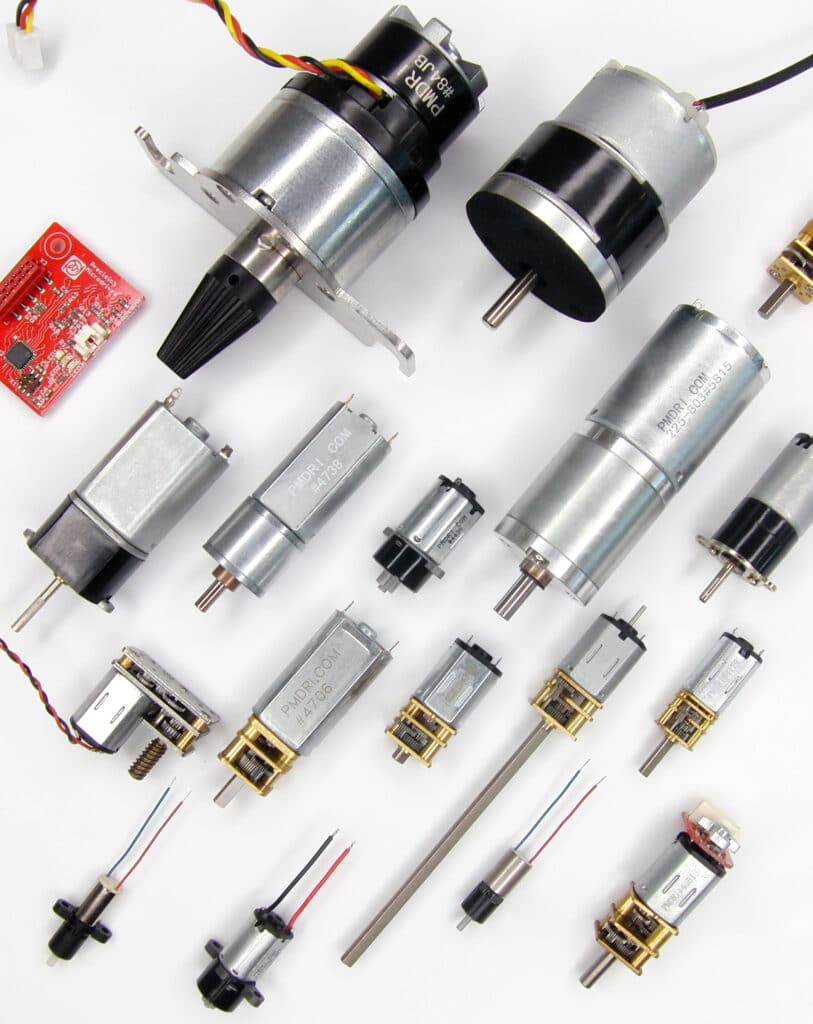
What is the significance of gear reduction in gear motors, and how does it affect efficiency?
Gear reduction plays a significant role in gear motors as it enables the motor to deliver higher torque while reducing the output speed. This feature has several important implications for gear motors, including enhanced power transmission, improved control, and potential trade-offs in terms of efficiency. Here’s a detailed explanation of the significance of gear reduction in gear motors and its effect on efficiency:
Significance of Gear Reduction:
1. Increased Torque: Gear reduction allows gear motors to generate higher torque output compared to a motor without gears. By reducing the rotational speed at the output shaft, gear reduction increases the mechanical advantage of the system. This increased torque is beneficial in applications that require high torque to overcome resistance, such as lifting heavy loads or driving machinery with high inertia.
2. Improved Control: Gear reduction enhances the control and precision of gear motors. By reducing the speed, gear reduction allows for finer control over the motor’s rotational movement. This is particularly important in applications that require precise positioning or accurate speed control. The gear reduction mechanism enables gear motors to achieve smoother and more controlled movements, reducing the risk of overshooting or undershooting the desired position.
3. Load Matching: Gear reduction helps match the motor’s power characteristics to the load requirements. Different applications have varying torque and speed requirements. Gear reduction allows the gear motor to achieve a better match between the motor’s power output and the specific requirements of the load. It enables the motor to operate closer to its peak efficiency by optimizing the torque-speed trade-off.
Effect on Efficiency:
While gear reduction offers several advantages, it can also affect the efficiency of gear motors. Here’s how gear reduction impacts efficiency:
1. Mechanical Efficiency: The gear reduction process introduces mechanical components such as gears, bearings, and lubrication systems. These components introduce additional friction and mechanical losses into the system. As a result, some energy is lost in the form of heat during the gear reduction process. The efficiency of the gear motor is influenced by the quality of the gears, the lubrication used, and the overall design of the gear system. Well-designed and properly maintained gear systems can minimize these losses and optimize mechanical efficiency.
2. System Efficiency: Gear reduction affects the overall system efficiency by impacting the motor’s electrical efficiency. In gear motors, the motor typically operates at higher speeds and lower torques compared to a direct-drive motor. The overall system efficiency takes into account both the electrical efficiency of the motor and the mechanical efficiency of the gear system. While gear reduction can increase the torque output, it also introduces additional losses due to increased mechanical complexity. Therefore, the overall system efficiency may be lower compared to a direct-drive motor for certain applications.
It’s important to note that the efficiency of gear motors is influenced by various factors beyond gear reduction, such as motor design, control systems, and operating conditions. The selection of high-quality gears, proper lubrication, and regular maintenance can help minimize losses and improve efficiency. Additionally, advancements in gear technology, such as the use of precision gears and improved lubricants, can contribute to higher overall efficiency in gear motors.
In summary, gear reduction is significant in gear motors as it provides increased torque, improved control, and better load matching. However, gear reduction can introduce mechanical losses and affect the overall efficiency of the system. Proper design, maintenance, and consideration of application requirements are essential to optimize the balance between torque, speed, and efficiency in gear motors.
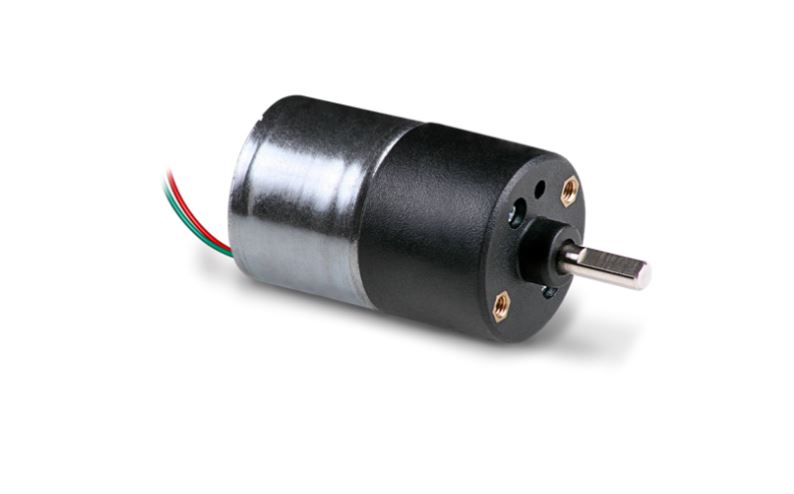
How does the gearing mechanism in a gear motor contribute to torque and speed control?
The gearing mechanism in a gear motor plays a crucial role in controlling torque and speed. By utilizing different gear ratios and configurations, the gearing mechanism allows for precise manipulation of these parameters. Here’s a detailed explanation of how the gearing mechanism contributes to torque and speed control in a gear motor:
The gearing mechanism consists of multiple gears with varying sizes, tooth configurations, and arrangements. Each gear in the system engages with another gear, creating a mechanical connection. When the motor rotates, it drives the rotation of the first gear, which then transfers the motion to subsequent gears, ultimately resulting in the output shaft’s rotation.
Torque Control:
The gearing mechanism in a gear motor enables torque control through the principle of mechanical advantage. The gear system utilizes gears with different numbers of teeth, known as gear ratio, to adjust the torque output. When a smaller gear (pinion) engages with a larger gear (gear), the pinion rotates faster than the gear but exerts more force or torque. This results in torque amplification, allowing the gear motor to deliver higher torque at the output shaft while reducing the rotational speed. Conversely, if a larger gear engages with a smaller gear, torque reduction occurs, resulting in higher rotational speed at the output shaft.
By selecting the appropriate gear ratio, the gearing mechanism effectively adjusts the torque output of the gear motor to match the requirements of the application. This torque control capability is essential in applications that demand high torque for heavy lifting or overcoming resistance, as well as applications that require lower torque but higher rotational speed.
Speed Control:
The gearing mechanism also contributes to speed control in a gear motor. The gear ratio determines the relationship between the rotational speed of the input shaft (driven by the motor) and the output shaft. When a gear motor has a higher gear ratio (more teeth on the driven gear compared to the driving gear), it reduces the output speed while increasing the torque. Conversely, a lower gear ratio increases the output speed while reducing the torque.
By choosing the appropriate gear ratio, the gearing mechanism allows for precise speed control in a gear motor. This is particularly useful in applications that require specific speed ranges or variations, such as conveyor systems, robotic movements, or machinery that needs to operate at different speeds for different tasks. The speed control capability of the gearing mechanism enables the gear motor to match the desired speed requirements of the application accurately.
In summary, the gearing mechanism in a gear motor contributes to torque and speed control by utilizing different gear ratios and configurations. It enables torque amplification or reduction, depending on the gear arrangement, allowing the gear motor to deliver the required torque output. Additionally, the gear ratio also determines the relationship between the rotational speed of the input and output shafts, providing precise speed control. These torque and speed control capabilities make gear motors versatile and suitable for a wide range of applications in various industries.


editor by CX 2024-02-21